PDRN Salmon Sperm Facial: The Latest Luxury Skincare Treatment for Advanced Skin Rejuvenation in NYC
The PDRN salmon sperm facial is a regenerative skincare protocol that uses purified polydeoxyribonucleotide (PDRN) derived from salmon DNA to stimulate tissue repair, collagen production, and cellular renewal. In this guide you will learn what PDRN is, how salmon DNA-based therapies work at the cellular level, which skin concerns respond best, what a luxury PDRN facial experience looks like in New York City, and how it compares to other cutting-edge treatments. Many clients seeking advanced facial treatments want measurable improvement in elasticity, hydration, and scarring with minimal downtime; PDRN facial treatment addresses those needs by activating fibroblasts and enhancing angiogenesis. This article reviews clinical mechanisms, expected timelines for results, safety considerations across skin types, and practical booking information for a bespoke experience at Forbidden Well NYC. Read on to understand how regenerative aesthetics with PDRN fits into modern anti-aging regimens and when to consider complementary therapies for optimal outcomes.
What is PDRN and How Does Salmon DNA Rejuvenate Your Skin?
PDRN (polydeoxyribonucleotide) is a biopolymer of short DNA fragments extracted and purified from salmon that acts as a regenerative stimulant by engaging adenosine A2A receptors and promoting tissue repair. This mechanism reduces inflammation, supports angiogenesis, and encourages fibroblast proliferation, which together improve collagen and elastin synthesis for firmer, more hydrated skin. Understanding PDRN’s origin and pharmaceutical-grade purification clarifies why clinicians favor it in regenerative aesthetics and advanced facial treatments. The next section outlines the chemistry, sourcing, and clinical history of PDRN to show how extraction and purity influence therapeutic outcomes.
Understanding Polydeoxyribonucleotide and Its Origins
Polydeoxyribonucleotide is sourced from selected salmon tissues and then undergoes rigorous purification to create pharmaceutical-grade preparations suitable for medical aesthetic use. The extraction process yields short-chain DNA fragments that are free of intact genetic material; quality control focuses on eliminating proteins, endotoxins, and contaminants so formulations meet clinical safety standards. Historically, PDRN first gained traction in wound healing and reconstructive medicine for its ability to accelerate tissue regeneration, and that medical lineage supports its application in skin rejuvenation today. Recent research has reinforced its use in dermatology by demonstrating improved healing times and enhanced extracellular matrix remodeling, which sets up the mechanistic discussion that follows.
How PDRN Stimulates Fibroblasts and Collagen Synthesis
PDRN exerts regenerative effects predominantly through activation of adenosine A2A receptors, which modulate inflammation and trigger signaling cascades that increase fibroblast activity and matrix protein production. Activated fibroblasts synthesize higher levels of type I and III collagen as well as elastin, improving dermal architecture and tensile strength over weeks to months after treatment. In addition, PDRN promotes angiogenesis, increasing microvascular perfusion that supports nutrient delivery and long-term skin health. These combined mechanisms explain clinical observations of improved elasticity, hydration, and texture following a PDRN salmon sperm facial.
What Are the Key Benefits of the PDRN Salmon Sperm Facial?
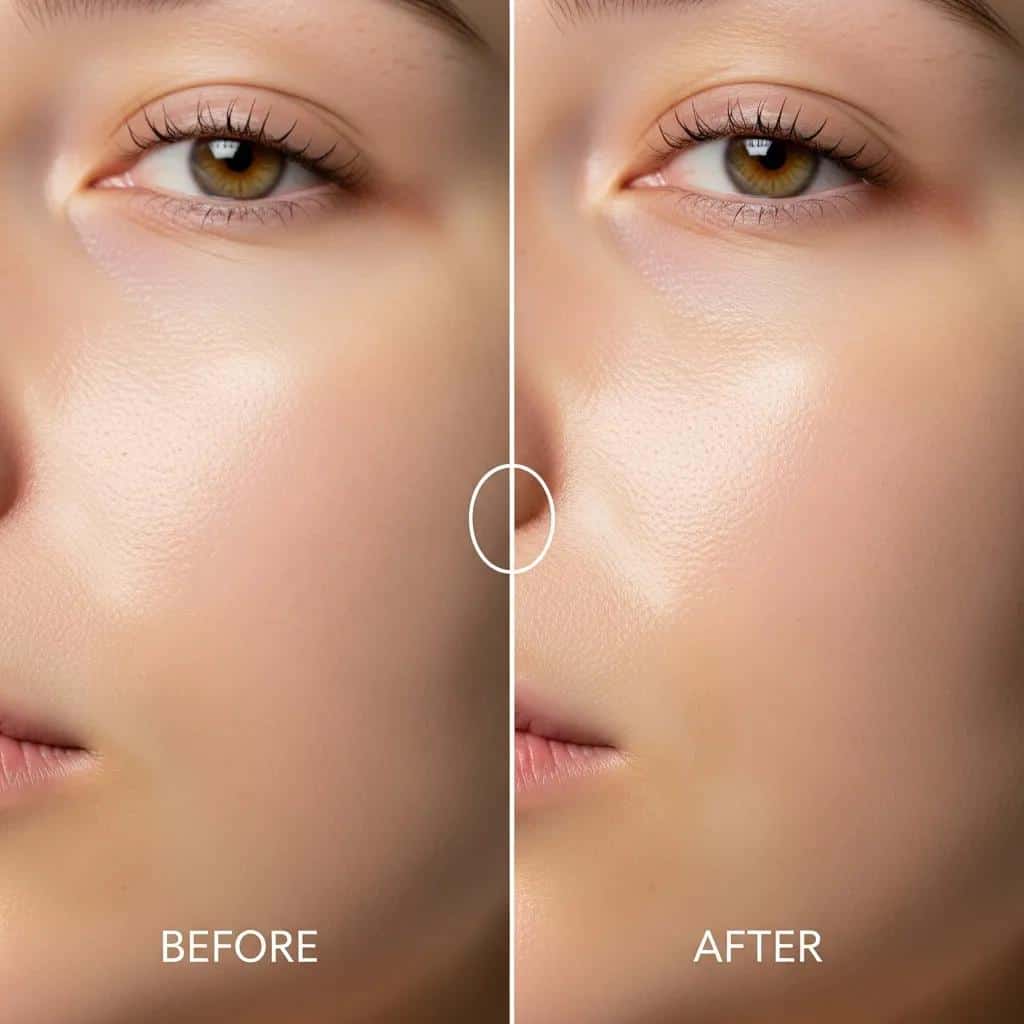
PDRN salmon sperm facials deliver targeted regenerative benefits by addressing core signs of skin aging and impaired repair through molecular stimulation and improved tissue perfusion. Clinical and practitioner reports note consistent improvements in elasticity, pore appearance, hydration, fine lines, and scar remodeling, typically emerging within weeks and consolidating over a series of sessions. Below is a concise list of primary outcomes clients seek and expect from a PDRN facial treatment to help identify whether this approach fits individual goals.
PDRN salmon sperm facials commonly improve the following:
- Skin Elasticity: Strengthens dermal matrix and reduces laxity through increased collagen and elastin synthesis.
- Hydration and Plumpness: Enhances extracellular matrix components that retain moisture and provide a dewy, resilient appearance.
- Texture and Tone: Smooths roughness and refines surface irregularities by stimulating cellular turnover and remodeling.
- Fine Lines and Superficial Scarring: Softens superficial wrinkles and remodels acne scars via fibroblast-driven matrix deposition.
These benefits typically appear gradually; initial subtle improvements are often noticeable within 2–4 weeks with more substantive remodeling after 8–12 weeks and a recommended treatment series. To clarify how PDRN maps mechanism to client outcomes, the table below summarizes key entity-attribute-value relationships.
PDRN’s mechanisms and client benefits:
| Component | Mechanism | Practical Benefit |
|---|---|---|
| PDRN (salmon-derived) | Activates A2A receptors and reduces inflammation | Faster repair and reduced redness |
| Fibroblast stimulation | Increased collagen and elastin synthesis | Improved elasticity and firmer skin |
| Angiogenesis | New capillary growth | Better tone and nutrient delivery |
| ECM modulation | Enhanced glycosaminoglycan retention | Increased hydration and plumpness |
This table highlights how molecular actions translate into visible skin changes and supports choosing PDRN for regenerative aesthetics. Following this benefits overview, the next section explains how Forbidden Well integrates pharmaceutical-grade PDRN into a personalized luxury facial experience for clients in New York City.
After understanding these clinical benefits, many readers want to know how providers differentiate service quality; the next section describes what to expect during a luxury PDRN facial at Forbidden Well and how treatment protocols are tailored to individual skin needs.
What to Expect During Your Luxury PDRN Facial Experience at Forbidden Well NYC?
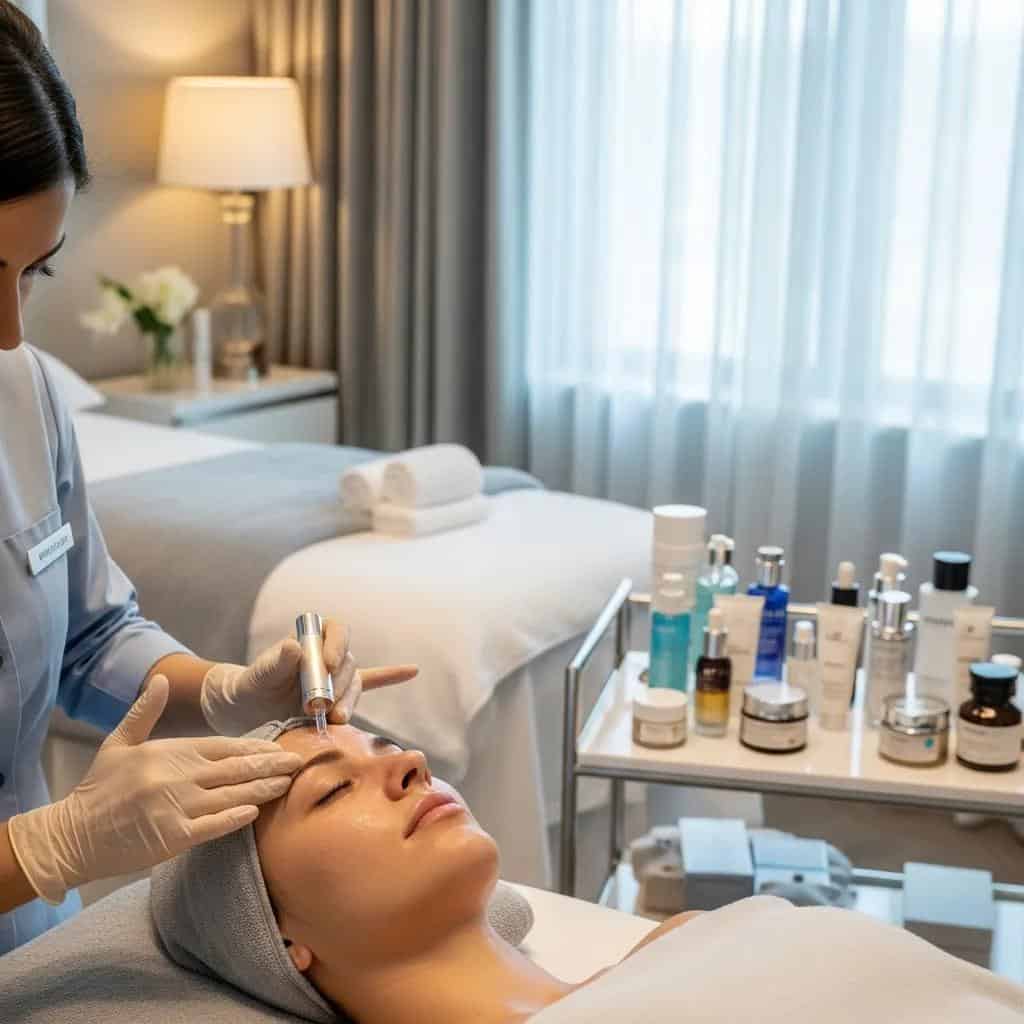
A typical luxury PDRN facial experience begins with a detailed consultation and diagnostic assessment to match concentration, delivery method, and adjunct protocols to the client’s skin status and goals. At Forbidden Well, practitioners emphasize precision and science-backed protocols using high-purity PDRN, combining transdermal delivery options like microneedling-assisted infusion or targeted injections depending on tissue depth and desired results. The session flow generally includes cleansing, assessment, preparation of the PDRN formula, application via chosen delivery method, immediate calming/healing measures, and a clear post-care plan to optimize recovery. The next subsection outlines how clinicians customize the protocol to individual skin characteristics and treatment objectives.
How Is the PDRN Facial Customized for Individual Skin Needs?
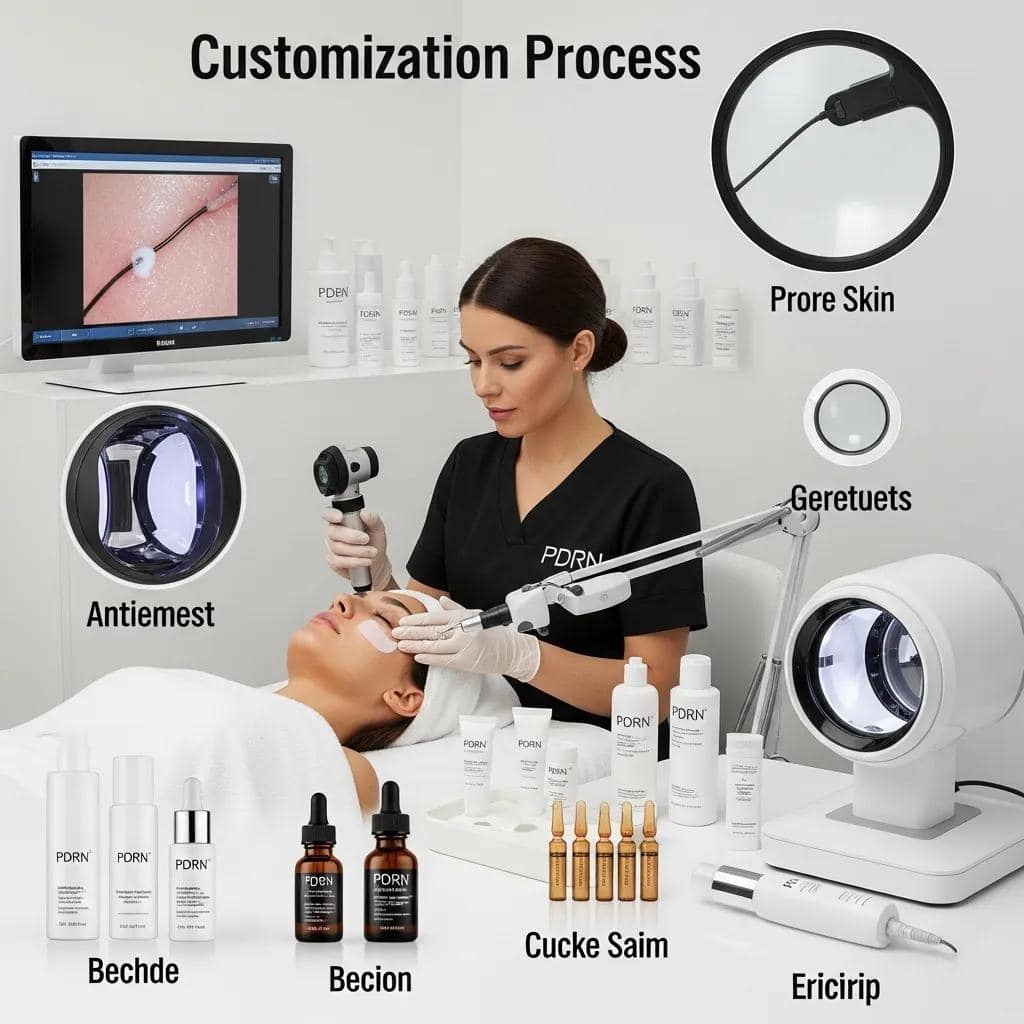
Customization starts with clinical skin analysis that assesses elasticity, hydration, scar depth, pigmentation risk, and prior procedures to determine an appropriate PDRN concentration and delivery strategy. Practitioners at a precision-focused clinic adjust needle depth for microneedling, choose topical versus intradermal delivery, and layer complementary treatments such as growth-factor serums or hyaluronic boosters when indicated for enhanced outcomes. Goal-setting with measurable metrics—skin stiffness, hydration readings, and photographic documentation—creates an individualized roadmap and ensures progress is tracked between sessions. This tailored approach reduces unnecessary procedures, targets the core pathology, and aligns expectations with probable timelines for visible improvement.
What Is the Role of Microneedling in Enhancing PDRN Absorption?
Microneedling creates controlled microchannels in the epidermis and superficial dermis that both stimulate collagen production and markedly increase transdermal absorption of topical PDRN formulations. Appropriate needle depth selection balances efficacy with safety: shallow depths favor surface texture and hydration while deeper settings address scarring and deeper dermal remodeling when used by trained professionals. Combining microneedling with topical PDRN amplifies regenerative signaling and accelerates matrix remodeling, typically with predictable, manageable downtime such as transient erythema and mild swelling. Aftercare protocols emphasizing sun protection and gentle barrier repair further support optimized healing and long-term results.
How Does PDRN Compare to Other Advanced Skincare Treatments?
PDRN occupies a distinct niche among regenerative aesthetic modalities by delivering purified polynucleotide fragments that activate endogenous repair pathways, whereas PRP uses autologous platelets to release growth factors and exosomes focus on cell-to-cell signaling via vesicles. The difference in source material and mechanistic action influences indications, predictability, and clinical handling: PDRN offers a standardized pharmaceutical product with consistent dosing, PRP varies with patient biology, and exosome therapies are still emerging with differing regulatory status. Below is a comparative list to help readers weigh options based on mechanism, best use-cases, and limitations.
- PDRN: Standardized polynucleotide therapy best for predictable dermal regeneration and hydration enhancement.
- PRP (Platelet-Rich Plasma): Autologous growth-factor delivery suited for clients seeking natural autologous options but with inter-patient variability.
- Exosomes: Emerging cell signaling therapy with promising results; often combined with other modalities but current evidence base is evolving.
To present a compact mechanistic comparison, the table below outlines each approach with its core mechanism and best-for indications.
| Treatment | Mechanism | Best-for / Limitations |
|---|---|---|
| PDRN | Polynucleotide activation of A2A receptors and fibroblasts | Best for standardized regeneration, hydration, scar remodeling; minimal donor variability |
| PRP | Autologous platelet growth factors and cytokines | Best for patients preferring autologous treatment; variability based on blood quality |
| Exosomes | Cell-derived vesicles conveying signaling molecules | Best for signaling synergy and combination protocols; evidence still maturing |
| Fillers | Volume replacement via implantable materials | Best for immediate volume restoration; does not stimulate intrinsic regeneration |
This comparison clarifies that PDRN is complementary to other advanced facial treatments rather than a direct substitute in all cases. The next subsection explains why some clients choose Forbidden Well’s PDRN facial over alternatives.
What Are the Differences Between PDRN, PRP, and Exosome Facials?
PDRN is a manufactured, purified agent that provides consistent polynucleotide dosing and a defined mechanism, while PRP uses the patient’s own platelets to deliver growth factors with variable concentrations. Exosome facials deliver signaling vesicles that may amplify regenerative cascades, often used in combination with mechanical delivery methods, though clinical standardization is less established than PDRN. Understanding these differences helps clients match treatment choice to goals: predictable dermal remodeling (PDRN), autologous stimulation (PRP), or investigational signaling synergy (exosomes). Clinicians commonly recommend combinations—such as microneedling plus PDRN—to harness complementary mechanisms for superior outcomes.
Why Choose Forbidden Well’s PDRN Facial Over Alternatives?
Forbidden Well positions its PDRN facial within a precision, science-first framework that emphasizes pharmaceutical-grade sourcing, personalized protocols, and integration with a broader wellness ecosystem that includes IV therapy and biohacking services. The clinic’s approach centers on measurement-driven treatment plans, careful selection of delivery methods, and concierge-style client service to optimize safety and outcomes for luxury skincare seekers in NYC. For clients seeking a regenerative aesthetics partner capable of coordinating adjunct therapies and long-term maintenance, this integration of high-purity PDRN and comprehensive care models presents a distinctive value proposition. Choosing a provider with consistent product sourcing and clinical oversight reduces variability and supports predictable, high-quality results.
Who Is the Ideal Candidate for the PDRN Salmon Sperm Facial?
The ideal candidate for a PDRN salmon sperm facial is an individual seeking regenerative, anti-aging skin improvements—such as increased elasticity, refined texture, and scar remodeling—who values science-backed protocols and tailored care. PDRN suits clients across many Fitzpatrick skin types when administered with appropriate precautions, but screening must rule out active infection, uncontrolled systemic illness, and other contraindications. A consultation that reviews medical history, prior aesthetic procedures, and skin goals determines candidacy and appropriate sequencing with other treatments. The following list summarizes typical candidate profiles and common contraindications to help readers self-assess before booking a consultation.
Candidate profiles and contraindications:
- Ideal candidates: Health-conscious adults focused on anti-aging, texture improvement, and scar remodeling.
- Contraindications: Active skin infection, recent isotretinoin use without appropriate wait period (typically 6 months), or known allergy to formulation components.
- Considerations: Pregnancy and lactation typically prompt deferred treatment until after obstetric clearance and clinician guidance.
After considering candidacy, many clients ask whether PDRN is safe across all skin types; the next subsection addresses safety and practical side effect expectations.
Is the PDRN Facial Safe for All Skin Types?
PDRN treatments have an established safety profile when sourced and administered properly, and they are broadly suitable across Fitzpatrick skin types with attentive protocol adaptations to minimize pigmentary risk. Common side effects are generally mild and transient—localized redness, swelling, and slight tenderness—resolving within days under standard aftercare. Practitioners may perform patch testing or conservative initial sessions for pigment-prone skin and tailor energy or needle depths to reduce complications. When combined with sun avoidance and post-procedural barrier repair, PDRN facial treatment offers a low-risk option for many clients seeking regenerative skin therapies.
How Often Should You Schedule PDRN Treatments for Optimal Results?
A typical treatment plan begins with an initial series of sessions spaced 2–4 weeks apart—often three sessions is a common starting protocol—followed by maintenance treatments every 3–6 months tailored to age, skin condition, and lifestyle factors. Individual variables such as smoking, UV exposure, and baseline collagen loss influence cadence and longevity of results, so clinicians emphasize measurable milestones and photographic monitoring to adjust schedules. Maintenance maintains collagen remodeling and hydration gains, while combining complementary therapies can extend and amplify outcomes. Discussing expectations and creating a personalized timeline during consultation ensures realistic goals and efficient progression.
How Can You Book and Access Exclusive Membership Benefits for PDRN Facials at Forbidden Well?
Booking a PDRN facial at Forbidden Well starts with a consultation to review goals, medical history, and a treatment roadmap; clients are invited to discuss personalized plans that may include membership or package options for ongoing care. Forbidden Well emphasizes high-purity pharmaceutical-grade PDRN and a comprehensive wellness ecosystem that enables coordinated care—IV therapy, biohacking, and aesthetics—under clinical oversight. Memberships and packages are presented as value-enhancing options that provide priority scheduling, bundled services, and access to curated community programming for clients who prioritize regular regenerative care. The table below outlines typical offer structures, features, and client value to clarify choices for prospective clients.
| Offer | Feature | Client Value |
|---|---|---|
| Single session | One-time PDRN facial with full consultation | Flexibility for first-time clients |
| Package series | Multiple sessions scheduled in a treatment plan | Predictable outcomes and treatment continuity |
| Membership tier | Priority booking and bundled wellness access | Convenience, savings, and integrated care |
This table demonstrates how different transactional options align with client priorities—trial flexibility, continuity for measurable results, or concierge-level integration for ongoing maintenance. For personalized pricing and to confirm availability, prospective clients should contact Forbidden Well directly via their published contact channels and schedule a consultation at the listed physical location.
What Are the Pricing Options and Membership Perks for PDRN Treatments?
Forbidden Well offers single-session options, treatment packages, and membership tiers designed to match different commitment levels and frequency needs; specific pricing and tier details are provided during consultation to ensure a tailored approach. Membership perks typically emphasize priority scheduling, bundled services that combine regenerative aesthetics with wellness offerings, and invitations to community events that support long-term skin health strategies. Because treatment variables—such as delivery method, adjunct therapies, and session count—affect final pricing, clients are encouraged to consult directly for a precise quote and to align service selection with clinical goals. This transparent, consultative booking model helps match expectations with optimized protocols.
How to Schedule Your PDRN Facial Consultation at Forbidden Well NYC?
To schedule a consultation, contact Forbidden Well using their official booking channels or call the practice to arrange an initial assessment at their New York City sanctuary; the clinic’s address is 52 E 11th St, New York, NY 10003 and phone assistance is available to help coordinate appointments. Prepare for your consultation by gathering relevant medical history and a list of prior aesthetic treatments; clinicians will review medications, scarring history, and lifestyle factors to design a safe, effective plan. On the day of treatment, avoid aggressive exfoliation, certain photosensitizing medications when advised, and arrive with a clean face to streamline in-clinic preparation. Clear pre- and post-care instructions will be provided during scheduling to support optimal safety and outcomes.
- Contact and consult: Reach out to book an initial assessment and align treatment goals.
- Prepare documentation: Bring medical history and previous aesthetic records to your consultation.
- Follow pre-care guidance: Adhere to clinician recommendations about medications and skin prep.