PRP Therapy NYC: Comprehensive Platelet-Rich Plasma Skin Rejuvenation Guide
Platelet-rich plasma (PRP) therapy uses a patient’s own blood to concentrate platelets and growth factors, then applies that biologic concentrate to the skin to stimulate natural regeneration and improve texture, tone, and elasticity. Forbidden Well offers PRP | Platelet-Rich Plasma as part of its luxury wellness and rejuvenation services, pairing clinical protocols with personalized treatment plans for discerning clients. This guide explains how PRP is prepared and applied, why growth factors like PDGF and TGF-β matter for collagen induction, and which concerns respond best to PRP-based approaches. Many readers seeking non-surgical rejuvenation want clear comparisons — PRP alone versus PRP combined with microneedling — and realistic timelines for recovery and results. The article maps the science (mechanism and evidence), the practical pathway (what to expect before, during, and after treatment), targeted indications, and high-level guidance on cost and membership value in the NYC market. Read on to learn clinical rationale, procedure workflows, maintenance strategies, and how to assess whether PRP fits your skin goals.
What is PRP Therapy and How Does It Rejuvenate Skin?
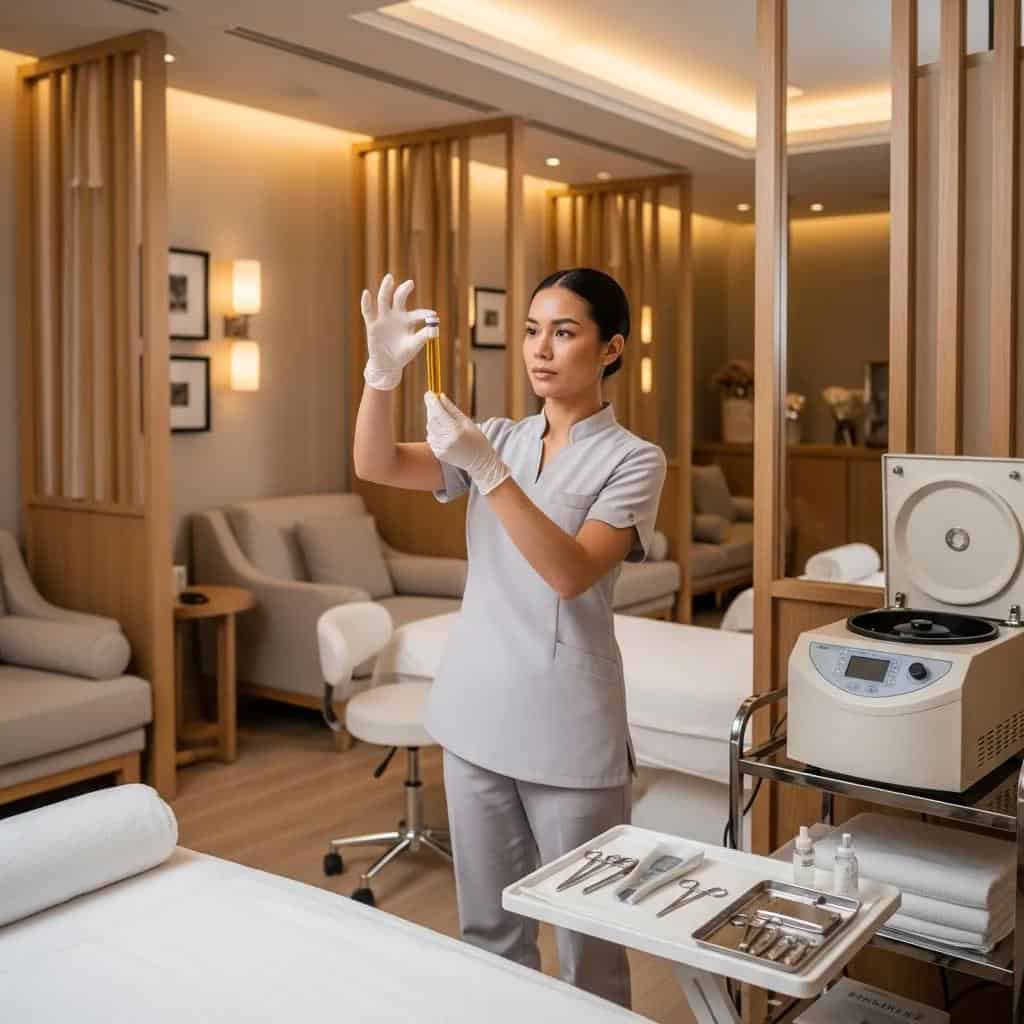
PRP therapy is an autologous regenerative treatment in which a small blood draw is centrifuged to concentrate platelets and plasma, then that concentrated platelet-rich plasma is re-applied to the skin to accelerate repair. Platelets → release → growth factors, and those growth factors stimulate fibroblasts to synthesize collagen and elastin, improving dermal density and visual appearance. The preparation workflow typically includes blood collection, centrifugation to isolate platelet concentrate, and topical or intradermal delivery depending on the protocol. Understanding the basic steps clarifies why PRP is classified among regenerative therapies and why it is considered a natural skin regeneration therapy rather than a foreign implant. This mechanism overview leads directly to the specific growth factors involved and the histologic timeline for tissue remodeling.
Understanding Platelet-Rich Plasma and Its Role in Skin Renewal
Platelet-rich plasma contains concentrated platelets suspended in plasma; platelets carry alpha granules rich in PDGF, TGF-β, VEGF and other signaling proteins that orchestrate wound healing. These growth factors bind to receptors on dermal fibroblasts and endothelial cells, triggering proliferation, collagen deposition, and neovascularization that together increase dermal thickness. Recent studies indicate that PRP enhances collagen types I and III synthesis over weeks to months, with measurable changes in skin elasticity and texture emerging after multiple sessions. Clinical translation means visible improvements often lag behind cellular events, so patients should expect gradual improvement as collagen remodeling proceeds. Understanding these molecular players sets expectations for session cadence and outcome timelines.
How Growth Factors in PRP Stimulate Collagen and Elastin Production
Growth factors in PRP — notably platelet-derived growth factor (PDGF), transforming growth factor-beta (TGF-β), and vascular endothelial growth factor (VEGF) — act as molecular cues that recruit and activate fibroblasts and endothelial cells. PDGF stimulates fibroblast chemotaxis and proliferation, TGF-β modulates extracellular matrix synthesis including collagen and elastin, and VEGF supports microvascular formation that nourishes regenerating tissue. These biological relationships — growth factor → receptor activation → cellular response — explain why PRP is effective at collagen stimulation and skin tightening without introducing exogenous substances. Translational research shows histologic collagen increases at 8–12 weeks after series completion, which aligns with clinical observations of progressive texture and firmness gains. Knowing these timelines helps clinicians and clients plan combination therapies and maintenance.
What Are the Benefits of PRP Facial Rejuvenation in NYC?
PRP facial rejuvenation offers natural-looking improvements by leveraging autologous growth factors to restore skin quality, reduce fine lines, and renew texture with minimal invasiveness. In affluent urban markets like NYC, clients value subtle enhancement and long-term skin health; PRP’s mechanism promotes dermal remodeling rather than temporary volumization. The primary cosmetic benefits include improved skin texture and tone, reduction in fine lines, enhanced elasticity, and scar remodeling for acne-affected skin. Below is a concise mapping of how specific mechanisms translate to visible benefits to clarify expected outcomes.
PRP provides several visible benefits mapped to its regenerative mechanisms:
- Improved Texture: Collagen induction reduces roughness and refines pores.
- Evened Tone: Modulation of remodeling reduces mottled pigmentation over time.
- Reduced Fine Lines: Dermal thickening softens creases around the eyes and mouth.
- Scar Remodeling: Fibroblast-driven matrix reorganization smooths atrophic scars.
These outcomes make PRP particularly suited for clients seeking natural rejuvenation rather than dramatic fillers-based changes, and they also explain why PRP is often combined with targeted energy-based or injectables for mixed concerns.
Different PRP mechanisms map to clinical benefits as shown in the table below, helping clients and clinicians set realistic priorities.
PRP mechanisms align with tangible skin benefits:
| Component | Mechanism | Benefit |
|---|---|---|
| Platelet growth factors (PDGF, TGF-β) | Stimulate fibroblast proliferation and matrix synthesis | Increased collagen and firmer skin texture |
| VEGF and angiogenic factors | Promote microvascular growth and oxygenation | Improved tone and skin radiance |
| Autologous plasma matrix | Provides scaffold and cytokine milieu | Supports scar remodeling and wound healing |
How Does PRP Microneedling Enhance Skin Rejuvenation?
Microneedling with PRP harnesses microchannels created by controlled epidermal injury to improve PRP penetration and amplify regenerative signaling, producing synergistic effects on collagen induction. The micro-injury response activates local repair pathways while PRP supplies concentrated growth factors directly into the dermis, accelerating matrix remodeling. Clinicians choose combined therapy when the goal is enhanced texture correction, scar remodeling, or more pronounced collagen induction than PRP alone typically delivers. Understanding the differences in application, downtime, and session frequency helps clients choose the right approach based on desired intensity and recovery tolerance.
- Microchannels: Facilitate deeper growth factor distribution.
- Inflammatory priming: Microneedling initiates cytokine cascades that PRP amplifies.
- Enhanced absorption: PRP can diffuse into dermal layers where it’s most effective.
Below is a concise comparison to help decide between approaches.
| Approach | Sessions / Downtime | Expected Results Timeline |
|---|---|---|
| PRP alone | 3–6 sessions; minimal downtime (mild redness 24–48 hrs) | Gradual improvement over 6–12 weeks post-series |
| Microneedling + PRP | 3 sessions spaced 4–6 weeks; moderate downtime (48–72 hrs erythema) | Faster, more pronounced remodeling seen 4–12 weeks |
| PRP with energy devices | Variable sessions; device-dependent downtime | Targeted collagen remodeling for deep wrinkles/scars |
The Synergy Between Microneedling and PRP Therapy
Microneedling creates controlled dermal micro-injuries that recruit repair mechanisms, and PRP delivers concentrated growth factors that intensify fibroblast activation within those micro-injuries. This Entity → Relationship → Entity pattern is core: microneedling (entity) enhances (relationship) PRP penetration and fibroblast activation (entity). Clinically, combined treatment commonly produces more notable scar softening and texture refinement than either modality alone, particularly for atrophic acne scars and uneven skin surface. Candidates who prioritize faster visible change and can accept short-term redness and swelling are ideal for the combined approach. Recognizing this synergy informs session planning and realistic recovery expectations.
Comparing PRP Alone Versus PRP Combined with Microneedling
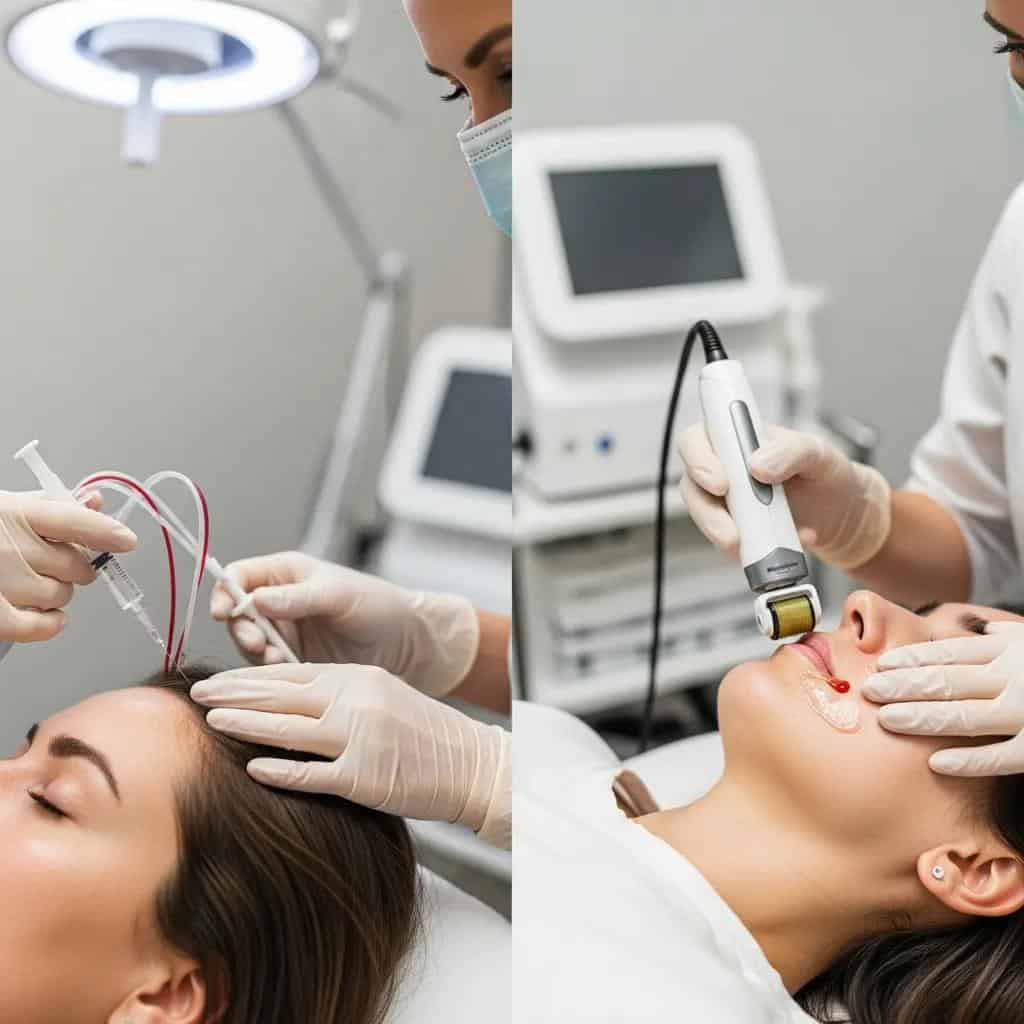
PRP alone is best for clients seeking low-downtime improvement in skin quality, while PRP with microneedling suits those needing stronger remodeling for scars or deeper texture irregularities. Typical protocols differ: PRP alone may be delivered via topical application after light skin preparation or via intradermal injections, whereas combined therapy requires a microneedling device followed immediately by PRP application to maximize dermal infiltration. Recovery and side-effect profiles vary accordingly, so candidacy depends on tolerance for transient inflammation and the desired speed of results. This comparison helps clients choose a pathway aligned with aesthetic priorities and lifestyle constraints.
Which Skin Concerns Can PRP Therapy Effectively Address?
PRP is effective across a range of indications by promoting dermal renewal, and its autologous nature reduces allergy risk and foreign-body reactions. Common indications with strong practical outcomes include acne scarring, mild-to-moderate fine lines, under-eye hollowness and textural thinning, and sun-damaged hyperpigmentation when combined with adjunctive resurfacing. Clinical evidence and practice-based experience indicate that PRP is not a one-size-fits-all solution but integrates well into multimodal plans targeting structural and pigmentary concerns. Below is a direct enumeration of primary concerns PRP addresses to aid decision-making.
PRP is effective for the following skin concerns:
- Acne Scars: Promotes dermal remodeling and softening of atrophic scars.
- Fine Lines and Wrinkles: Increases dermal thickness to reduce superficial creases.
- Under-Eye Hollowness/Dark Circles: Improves skin texture and pigmentation; may be combined with fillers for volume.
- Hyperpigmentation and Sun Damage: Supports remodeling when used with light resurfacing or topical treatments.
Treating Acne Scars, Hyperpigmentation, and Under-Eye Hollowness
For acne scars, PRP stimulates fibroblast activity and matrix reorganization, improving contour irregularities and reducing tethering associated with atrophic lesions. When addressing hyperpigmentation, PRP’s regenerative environment can help normalize epidermal turnover after adjunctive resurfacing, though pigmentary issues often require combination therapy for best results. Under-eye hollowness benefits from PRP’s capacity to thicken thin periorbital skin and improve texture; however, volume deficits frequently require dermal fillers in addition to PRP for optimal contour restoration. Understanding these nuances supports tailored treatment plans and realistic expectations about combined approaches.
Managing Fine Lines, Wrinkles, and Crepey Skin with PRP
Fine lines and crepey skin respond to PRP through gradual increases in dermal collagen and elastic fiber quality, which improves skin resilience and reduces superficial wrinkling. Maintenance scheduling typically involves an initial series of sessions followed by periodic top-up treatments to preserve collagen density over time. Combining PRP with skin-tightening modalities or targeted topical regimens enhances outcomes for significant photodamage and crepiness. These treatment principles inform a phased plan: induction (series), consolidation (adjunctive therapies), and maintenance to sustain improvements.
What Should You Expect Before, During, and After PRP Treatment at Forbidden Well?
Forbidden Well is a luxury wellness and rejuvenation sanctuary in NYC. The site lists a service: ‘PRP | Platelet-Rich Plasma’ under Aesthetics & Rejuvenation. UVPs noted: comprehensive wellness services, personalized treatment plans, advanced rejuvenation treatments like PRP, community hub for like-minded individuals, luxurious client experience; encourages membership sign-ups and direct bookings.
Before your session you will complete a medical history review and brief skin assessment to confirm candidacy, including screening for active infections, anticoagulant use, or other contraindications. On the day, clinicians perform a small blood draw, centrifuge the sample to produce platelet concentrate, and then apply PRP via microneedling, superficial injections, or topical infusion depending on the chosen protocol. Typical session time ranges from 45–90 minutes including prep and recovery observation; sensations include mild pressure, warmth, and transient erythema. Aftercare emphasizes gentle skincare, sun avoidance, and hydration to support regeneration, with follow-up scheduling designed to track progress and plan maintenance. This timeline overview prepares clients for the procedural flow and next steps.
- Stop certain medications as directed by your clinician (e.g., anticoagulants) after medical review.
- Avoid intense sun and recent resurfacing procedures in the week before treatment.
- Hydrate and arrive with clean skin; skip heavy makeup on the day of the procedure.
Preparing for Your PRP Session: Pre-Treatment Guidelines
Preparation begins with a candid medical and medication review to identify contraindications such as active infection or anticoagulation that could increase bleeding risk or compromise results. Clients are advised to avoid non-essential NSAIDs and high-dose supplements that increase bruising risk for several days before treatment, and to limit cosmetic procedures that may sensitize the skin. Hydration and good sleep improve the baseline healing environment, and clinicians often counsel patients on realistic expectations for texture and timeline. Clear pre-procedure preparation minimizes complications and sets the stage for predictable, progressive improvement, which then transitions into the typical post-care timeline.
- Avoid blood-thinning medications and supplements as instructed by your provider to reduce bruising risk.
- Discontinue retinoids or abrasive topical agents several days before treatment to reduce irritation.
- Plan for minimal strenuous activity and sun exposure in the immediate 48–72 hours post-procedure.
Post-Treatment Care, Recovery Timeline, and Results Expectations
Immediate post-procedure reactions commonly include redness, swelling, and mild pinpoint bleeding that typically subside within 24–72 hours; these are signs of the intended reparative cascade being activated. Post-care focuses on gentle cleansing, avoiding active exfoliants for at least one week, using fragrance-free moisturizers and broad-spectrum sun protection to prevent pigmentary sequelae, and scheduling any necessary maintenance sessions. Initial improvements in radiance and texture may appear within 2–4 weeks, with progressive collagen maturation and firmer skin over 8–12 weeks after a treatment series. Red-flag symptoms such as increasing pain, spreading redness, or signs of infection should prompt clinician contact immediately. This recovery outline informs realistic expectations and follow-up planning for long-term maintenance.
How Much Does PRP Therapy Cost in NYC and What Are Membership Benefits?
Forbidden Well is a luxury wellness and rejuvenation sanctuary in NYC. The site lists a service: ‘PRP | Platelet-Rich Plasma’ under Aesthetics & Rejuvenation. UVPs noted: comprehensive wellness services, personalized treatment plans, advanced rejuvenation treatments like PRP, community hub for like-minded individuals, luxurious client experience; encourages membership sign-ups and direct bookings.
Below is a high-level framework to explain price variability in NYC: costs depend on provider expertise, the treatment area, whether microneedling or injectable PRP is used, and how many sessions are required. Rather than listing exact fees, clinicians typically present personalized quotes during consultation because PRP packages are tailored to individual anatomy and goals. Memberships at full-service wellness sanctuaries add value by bundling priority scheduling, discounted sessions, and curated maintenance plans that help sustain outcomes while smoothing per-session expense.
| Offer | Type | Typical Price Range / Membership Perk |
|---|---|---|
| Single PRP facial (consult required) | Per-session service | Range varies by technique and provider expertise |
| PRP + Microneedling package | Multi-session package | Often offered at a bundled rate with scheduled maintenance |
| Membership | Priority booking & discounts | Perks include savings on repeated sessions and curated maintenance plans |
General Pricing Overview for PRP Facial Rejuvenation at Forbidden Well
Pricing for PRP facial rejuvenation in NYC varies based on method (topical PRP, intradermal injection, or combined microneedling), the number of sessions included in a recommended series, and practitioner specialization. Forbidden Well emphasizes personalized treatment plans that tailor concentration, delivery method, and maintenance cadence to individual skin goals, which means a personalized consultation is the standard path to an exact quote. Clients should budget for an induction series plus periodic maintenance to preserve dermal gains, and should weigh membership options if planning ongoing care. Transparent consultation helps align expectations with investment and desired outcomes.
Membership Options and Exclusive Benefits for Regular Clients
Memberships at luxury wellness sanctuaries typically offer benefits that support long-term outcomes: priority scheduling, discounted rates on repeat PRP sessions, bundled services that integrate aesthetics and wellness, and curated maintenance plans that coordinate adjunctive therapies. For clients committed to maintaining dermal health, memberships reduce friction for follow-up care and often yield better long-term results through consistent, timed interventions. Forbidden Well encourages membership sign-ups and direct bookings to ensure continuity of care within their comprehensive wellness framework, making it easier for clients to plan and sustain rejuvenation strategies.
- Priority scheduling helps maintain ideal session intervals for collagen remodeling.
- Discounted session bundles lower per-treatment costs over time and facilitate adherence.
- Curated maintenance plans integrate adjunctive treatments to enhance and extend results.
- Consultation Booking: Schedule a consultation to receive a personalized assessment and pricing estimate.
- Consider Membership: If committed to maintenance, inquire about membership options that align with your treatment plan.
- Plan Series & Follow-up: Expect an induction series and periodic maintenance for sustained results.