
Elevate Wellness with Performance Peptides
Performance peptides are short chains of amino acids that act as precision signaling molecules to influence cellular repair, hormone balance, and tissue regeneration. Current research shows these compounds modulate receptor pathways, stimulate collagen synthesis, and trigger growth-hormone
related cascades that support faster recovery, improved skin elasticity, and enhanced physical performance. This article explains how peptide therapy works, profiles specific anti-aging and athletic peptides, and outlines realistic timelines, safety considerations, and integration strategies with other wellness services. Readers will learn mechanisms of action, evidence-based benefits for skin and muscle, comparative EAV-style tables for clinician-grade reference, and practical guidance for combining peptides with metabolic and skin treatments. Throughout the guide we reference contemporary studies and describe how personalized protocols are designed for results-oriented clients, with selective context on service availability at Forbidden Well in New York City. By the end you will understand which peptides target collagen, which secretagogues improve recovery, and how to evaluate protocols for longevity and athletic goals.
What Is Peptide Therapy and How Does It Support Anti-Aging and Athletic Performance?
Peptide therapy uses specific peptide sequences to send targeted biological signals that improve repair, modulate hormones, and optimize metabolism. These signaling molecules bind to receptors, change gene expression patterns, and activate downstream pathways like collagen synthesis or growth-hormone release, producing measurable improvements in recovery, skin quality, and endurance. For anti-aging, peptides encourage extracellular matrix remodeling and reduce inflammation; for athletic performance, they accelerate tissue repair and enhance metabolic efficiency. Understanding these mechanisms clarifies why peptide therapeutics are becoming a core tool in regenerative and performance medicine.
How Do Performance Peptides Work to Enhance Cellular Regeneration and Hormone Optimization?
Performance peptides enhance cellular regeneration by binding to cell-surface receptors and initiating intracellular signaling that upregulates repair genes and mitochondrial function. For example, certain peptides stimulate fibroblast activity and collagen-producing pathways, while growth-hormone secretagogues increase pulsatile GH release to support muscle protein synthesis and metabolic recovery. These mechanisms combine to shorten recovery windows and improve cellular resilience during repeated training loads or age-related decline. Recent studies indicate that targeted peptide protocols can produce clinically relevant shifts in biomarkers for repair and metabolic health when combined with monitoring and lifestyle optimization.
What Are the Key Benefits of Peptide Therapy for Skin Rejuvenation and Muscle Recovery?
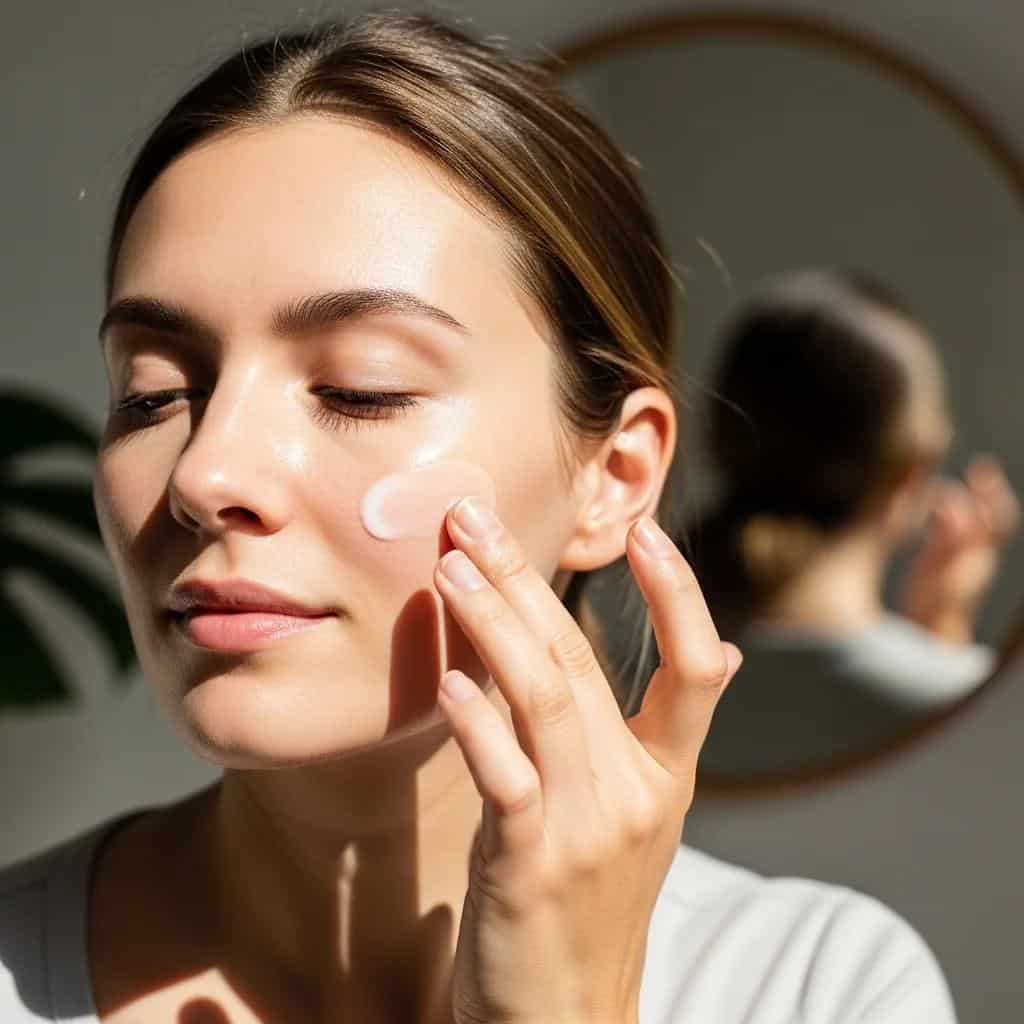
Peptide therapy delivers distinct benefits for integumentary and musculoskeletal systems through separate but complementary mechanisms. For skin, collagen-stimulating peptides improve elasticity, reduce fine lines, and support wound-healing processes by increasing extracellular matrix deposition and modulating matrix metalloproteinase activity. For muscle, reparative peptides reduce inflammation, accelerate angiogenesis, and promote satellite-cell activation to improve strength retention and shorten downtime after injury. Expected timelines vary: some skin changes emerge within weeks, while structural remodeling and durable strength gains often require months of consistent, integrated care.
Peptide therapy supports both immediate recovery and longer-term tissue quality. Understanding these timelines helps set realistic expectations and informs monitoring strategies for clients pursuing aesthetic or performance goals.
- Key skin and muscle benefits include:Collagen stimulation and improved skin texture within weeks.Reduced inflammation and accelerated muscle repair post-exertion.Improved endurance and recovery capacity across training cycles.
These benefits explain why peptides are used in targeted anti-aging and athletic enhancement protocols and why monitoring outcomes is essential to optimize dosing and sequencing.
Which Specific Peptides Are Used for Anti-Aging and What Are Their Unique Effects?
Anti-aging peptide candidates include collagen-stimulating sequences, copper-binding peptides, and hormone-modulating secretagogues that collectively support skin integrity, metabolic health, and vitality. Each peptide functions through a definable mechanism of action—some directly stimulate matrix production while others alter endocrine signaling to improve sleep, mood, and body composition. Practitioners select peptides based on desired endpoints, safety profile, and compatibility with concurrent skin or metabolic therapies. Personalized protocols that combine targeted peptides with supportive treatments deliver more consistent anti-aging outcomes than single-agent approaches.
Below is a clinician-friendly comparison of commonly used anti-aging peptides, showing mechanism and primary clinical uses for quick reference.
| Peptide | Mechanism of Action | Primary Benefits / Clinical Use |
|---|---|---|
| GHK-Cu | Binds copper, stimulates TGF-β and collagen gene expression | Improves skin elasticity, accelerates wound healing, reduces fine lines |
| Matrix-stimulating peptides | Activate fibroblast proliferation and extracellular matrix synthesis | Increases dermal thickness and skin firmness |
| GH secretagogues (class) | Stimulate hypothalamic-pituitary axis to increase pulsatile GH | Support lean mass, sleep quality, and metabolic function |
This comparative table clarifies how different peptide classes contribute to anti-aging strategies and helps clinicians align mechanisms with patient goals.
When considering specific peptides, it’s useful to note that certain protocols are available through luxury biohacking services. Forbidden Well lists a “Performance Peptides” service under its Biohacking Essentials category, where personalized peptide strategies are offered as part of an integrated care plan.
How Does GHK-Cu Peptide Promote Skin Elasticity and Collagen Production?
GHK-Cu is a copper-binding tripeptide that acts as a signaling molecule to activate genes involved in collagen synthesis and tissue remodeling. It increases fibroblast activity, enhances synthesis of type I and III collagen, and modulates inflammatory cytokines to favor repair over degradation. Clinical observations and laboratory data show improved wound healing and measurable improvements in skin texture when GHK-Cu is used as part of topical or injected regimens. In practice, GHK-Cu is often combined with complementary skin treatments to amplify collagen deposition and accelerate visible rejuvenation.
What Role Do Hormone-Balancing Peptides Play in Combating Age-Related Decline?
Hormone-balancing peptides—primarily growth-hormone secretagogues—stimulate endogenous hormone production rather than replacing hormones exogenously, which differentiates them from hormone replacement therapy. By enhancing pulsatile GH release, these peptides improve sleep architecture, support lean mass maintenance, and favorably alter body composition without the same risks associated with continuous exogenous hormones. Monitoring and individualized dosing are central to safe use, and patients typically see improvements in energy, recovery, and metabolic markers when protocols are tailored and supervised clinically. This hormone modulation approach supports long-term vitality when combined with lifestyle and nutritional interventions.
How Do Athletic Enhancement Peptides Improve Muscle Growth, Recovery, and Endurance?

Athletic peptides work through several convergent pathways: they accelerate tissue repair, promote angiogenesis, support mitochondrial function, and modulate anabolic signaling to enhance strength and endurance. These peptides shorten recovery windows by reducing inflammation and enhancing nutrient delivery to injured or fatigued tissues. For endurance, some peptides improve oxygen utilization and capillary density, translating cellular changes into practical performance gains. Athletes benefit most when peptide protocols are integrated with periodized training, nutrition, and clinical monitoring to avoid overuse and to align biological adaptations with training cycles.
What Are the Benefits of BPC-157 for Muscle Repair and Injury Recovery?
BPC-157 is a peptide derived from gastric juice proteins that promotes tissue repair through angiogenesis stimulation and modulation of growth factor signaling. It accelerates tendon and muscle healing in preclinical models by increasing blood vessel formation and supporting extracellular matrix remodeling. Empirical reports and emerging clinical experience suggest reduced recovery time and enhanced resilience to soft-tissue injuries when BPC-157 is used under medical supervision. Athletes considering BPC-157 should view it as an adjunct to structured rehabilitation, with conservative expectations and appropriate clinician oversight.
How Do CJC-1295 and Ipamorelin Stimulate Growth Hormone for Performance Gains?
CJC-1295 and Ipamorelin are growth-hormone secretagogues that work synergistically to increase pulsatile GH secretion while minimizing negative feedback and cortisol spikes. CJC-1295 prolongs GH-releasing hormone effects, while Ipamorelin selectively stimulates ghrelin receptors to elicit GH pulses, together improving anabolic signaling without continuous elevation of GH. The combined approach supports muscle protein synthesis, enhances recovery, and can improve sleep—an important factor for athletic adaptation. Monitoring IGF-1 and clinical response ensures protocols remain within therapeutic targets and align with performance goals.
Below is a practical comparison table showing mechanism and typical athletic outcomes for key enhancement peptides.
| Peptide | Mechanism | Typical Outcomes (Recovery time, strength, endurance) |
|---|---|---|
| BPC-157 | Promotes angiogenesis and matrix remodeling | Shorter soft-tissue recovery, improved tendon repair |
| CJC-1295 + Ipamorelin | Synergistic GH secretagogue action | Increased muscle synthesis, reduced recovery time |
| Endurance peptides (class) | Enhance oxygen utilization/capillary growth | Improved VO2 max and time-to-fatigue |
This table helps athletes and clinicians compare expected outcomes and select peptides that align with training objectives.
Why Choose Forbidden Well for Personalized Performance Peptide Therapy in NYC?
Forbidden Well positions itself as a luxury wellness and rejuvenation sanctuary in New York City that blends modern science with holistic care. Their Biohacking Essentials category includes a Performance Peptides service designed to optimize vitality and physical performance through targeted peptide therapies. The center emphasizes personalized protocol design, expert oversight, and integrative pathways that align peptide interventions with skin, hormone, and metabolic services. For clients seeking concierge-level biohacking in Manhattan, this kind of integrated environment supports nuanced monitoring and iterative protocol adjustment.
What Makes Forbidden Well’s Luxury Biohacking Approach Unique in Manhattan?
Forbidden Well combines a sanctuary-style client experience with evidence-informed interventions under a curated Biohacking Essentials menu, which includes Performance Peptides as a flagship offering. The center frames peptide therapy within a broader regenerative medicine context, pairing targeted treatments with complementary services like advanced skin therapies and metabolic optimization. This integrated model aims to reduce fragmentation of care and provide consistent outcome tracking. For clients seeking both experiential luxury and scientific oversight, such a center offers an environment where peptide protocols are tailored within a comprehensive wellness plan.
How Are Personalized Peptide Protocols Designed to Maximize Anti-Aging and Athletic Results?
Personalized protocols begin with a thorough assessment that may include symptom review, functional testing, and biomarker analysis to define goals and monitor progress. From there, clinicians select peptides, dosing schedules, and adjunctive treatments tailored to skin, recovery, or performance objectives, iteratively adjusting based on outcome metrics like sleep quality, strength measurements, and skin elasticity. Ongoing monitoring and protocol refinement ensure safety and efficacy, and integrating lifestyle coaching amplifies biological responses. This stepwise design—assessment, targeted therapy, monitoring, modification—helps translate molecular mechanisms into measurable client benefits.
For those interested in an integrated practitioner-guided approach, Forbidden Well’s Performance Peptides service is offered within their Biohacking Essentials framework, providing access to personalized protocol design under expert oversight.
What Are Common Questions About Peptide Therapy for Anti-Aging and Athletic Enhancement?
Clients frequently ask about timelines for visible results, safety, side effects, and how peptide therapy compares to other regenerative options. Clear, concise answers help set expectations and guide decisions about testing, monitoring, and adjunct treatments. Below is a compact FAQ-style EAV table designed for quick reference by prospective clients and clinicians, pairing common questions with short answers and guidance on when to consult a provider.
| Question | Short Answer (snippet) | Expanded Guidance / When to Consult Provider |
|---|---|---|
| How long to see results? | Weeks for recovery; months for structural change | Consult provider if no improvement after expected window or to adjust dosing |
| Is peptide therapy safe? | Generally well-tolerated with medical supervision | Seek medical oversight for dosing, contraindications, and monitoring |
| What side effects occur? | Minor injection-site reactions; rare systemic effects | Report persistent reactions or new systemic symptoms immediately |
How Long Does It Take to See Results from Peptide Therapy?
Timelines depend on the therapeutic target: acute recovery often shows benefit within days to weeks, skin texture and collagen improvements typically emerge over 6–12 weeks, and durable body-composition changes may require 3–6 months of sustained therapy. Individual factors—age, baseline health, training load, and adherence—modulate response speed and magnitude. Monitoring objective metrics, such as strength tests or validated skin-scoring tools, helps quantify progress and guide adjustments. If expected improvements do not materialize within typical windows, clinicians reassess protocol selection, dosing, and potential adjunctive therapies.
Is Peptide Therapy Safe and What Are Potential Side Effects?
When administered with clinical oversight, peptide therapies generally have a favorable safety profile, with common minor effects including localized injection-site irritation, transient swelling, or mild systemic symptoms. Rare adverse events depend on peptide class and patient-specific factors, underscoring the importance of baseline screening and ongoing monitoring. Contraindications and interactions must be evaluated by a qualified provider, and routine biomarker checks help detect unintended hormone shifts. Medical supervision ensures risk mitigation and supports safe integration with other wellness services.
How Can Peptide Therapy Be Combined with Other Wellness Services for Comprehensive Health?
Peptide therapy yields greater, more durable outcomes when combined with hormone optimization, metabolic support, IV therapies, and targeted skin treatments. Synergistic combinations accelerate results—peptides that stimulate collagen are more effective when paired with dermal therapies, and GH secretagogues complement metabolic optimization strategies to improve body composition. Integrated sequencing and timing are essential; for example, skin resurfacing may be timed to maximize collagen remodeling in the weeks following peptide initiation. A coordinated care pathway aligns molecular action with clinical interventions for comprehensive health improvements.
- Common complementary pairings include:Peptides + hormone optimization to support metabolism and recovery.Peptides + IV nutrient therapy to enhance cellular energy and repair.Peptides + advanced skin treatments to amplify collagen remodeling.
How Does Combining Peptides with Hormone Optimization Enhance Longevity?
Combining peptides that stimulate endogenous growth and repair pathways with hormone-balancing strategies produces additive benefits for metabolism, sleep, and body composition. Peptides can improve tissue responsiveness while hormone optimization corrects systemic deficits, together enhancing recovery and functional capacity. Careful monitoring is required to balance effects and avoid hormonal imbalances, and clinicians typically use phased interventions to establish baseline responses before layering treatments. This synergistic approach targets both cellular repair mechanisms and systemic endocrine health to support longevity-focused outcomes.
What Role Do Metabolic and Skin Treatments Play Alongside Peptide Therapy?
Metabolic optimization and advanced skin treatments amplify peptide-driven outcomes by addressing upstream nutrient delivery, inflammation, and tissue environment. IV therapies can supply cofactors for repair, while metabolic interventions improve substrate utilization that supports training adaptations. For skin, sequencing peptide protocols with resurfacing or non-invasive rejuvenation accelerates visible collagen gains and refines texture. Practical client pathways often involve a 12-week plan that staggers peptide initiation, metabolic support, and focused skin sessions to synchronize biological processes for maximal effect.
- Example 12-week client pathway:Baseline assessment and targeted biometric testing.Initiate peptide protocol with metabolic support.Add skin treatments during the remodeling phase.Reassess metrics and iterate protocol for sustained outcomes.
For personalized guidance on integrating peptide therapy into a comprehensive wellness plan, clients can consult providers who specialize in biohacking and regenerative approaches within a supervised clinical setting. Forbidden Well’s Performance Peptides service within its Biohacking Essentials category offers tailored protocol design and integrated care delivery in New York City for those seeking luxury-focused, science-informed options.